Class A CDL Requirements – Become a Professional Truck Driver

Ready to start a new career as a truck driver? On your road to becoming a professional truck driver, you’ll need to first get a license for the type of vehicles you want to drive. A Class A CDL license covers most of the truck driving jobs you’ll find in the U.S. Knowing all the Class A CDL requirements can help you successfully complete your CDL training and hit the pavement as a new truck driver.

Keep reading to dive deeper into the Class A CDL requirements, review the steps for how to get your license, and explore the answers to some frequently asked questions about becoming a professional truck driver. As you think about where you might want to get your Class A CDL, Truck Driver Institute is proud to boast many unique benefits for our students, including having CDL requirements like your DOT physical exam and CDL permit included in your tuition and training. Call us at (800) 848-7364 or contact us online to get started!

Class A CDL Requirements

It’s important to know that Class A CDL requirements vary by state, so be sure to review your state’s DMV website before applying for your license. Here’s a list of the requirements for obtaining a Class A CDL license in most states:

Age Requirements

Before you can start your Class A CDL training, you’ll need to meet the minimum age requirement. Most states require that Class A CDL licensees are at least 18 years old, though it can vary from state to state. You can find specific age requirements about Class A CDLs on your state’s DMV website.

Non-Commercial Driver’s License

To get a Class A CDL license, you’ll first need a non-commercial driver’s license. Non-commercial driver’s licenses refer to licenses that most people get for their personal vehicles. Having a non-commercial driver’s license shows that you already understand basic rules of the road and vehicle operations.

Health Requirements

Professional truck drivers need to meet certain health requirements established by the Federal Motor Carrier safety administration (FMCSA). Operating large vehicles while sharing the road with others is a big responsibility, so the FMCSA wants to ensure that truck drivers are physically capable of doing these tasks safely.

Before getting a CDL or even a permit, aspiring truck drivers must undergo a Department of Transportation (DOT) physical exam. The DOT Certified Medical Examiner will test your vision, hearing, blood pressure, and urine. They also want to gain a better understanding of your cardiovascular health, physical endurance, and what drugs or medications you use.

While other CDL schools leave you to fend for yourself with this process, TDI works with you to make it easier. Instead of requiring you to show up for class with your DOT exam already completed and paid for, we help you through the process as part of your training.

Proof of Residence

To get a Class A CDL license, you need to be either a U.S. citizen or a permanent resident. In either case, you’ll likely need to bring or photocopy documents proving your permanent residency with your Class A CDL license application.

If you’re a permanent resident or working to become one, it’s a good idea to speak to an immigration lawyer in your state to make sure that you understand the nuances of your DMV’s laws.

Good Driving Record

You need a decent driving record to become a professional truck driver (though it doesn’t have to be 100% spotless). The DOT wants to make sure that you not only understand traffic laws, but can obey them. Some state DMVs might also conduct a background check when you apply for a Class A CDL.

How to Get Your Class A CDL License

The following are five simple steps to guide you through the process obtaining a Class A CDL.

1. Learn your state’s laws

All states have slightly different Class A CDL requirements for professional truck drivers. Familiarize yourself with your state’s unique requirements through their DMV website. Most states also offer a Commercial Driver’s Licensing manual that you can request by print or digitally. Aspiring truck drivers must meet the requirements set by both the federal DOT and their state’s DMV. At TDI, we help you understand exactly what’s required of you by the DOT and your state.

2. Complete prerequisites

Collect all the materials and complete all tasks necessary for you to apply for your Class A CDL. This will include getting your DOT physical exam. Other materials you might need include proof of citizenship or permanent residency, a copy of your non-commercial driver’s license, and a high school or GED transcript. As mentioned before, these requirements can vary from state to state, so be sure to check what’s required of you first. If you choose to enroll at TDI, we help you with a number of these prerequisites, including your permit and DOT physical.

3. Get a Commercial Learner’s Permit

Next, you’ll need to obtain a Commercial Learner’s Permit (CLP). A CLP gives you legal permission to practice driving trucks on public roads so long as you have a CDL licensee sitting in the passenger seat. You may need to pay a fee to your state’s DMV to obtain this permit. Other schools require their students to go through this process alone and pay for their CLP before enrolling. At TDI, we help you practice for your Commercial Learner’s Permit and include it as part of your training so you don’t need to waste time or money beforehand figuring it out yourself beforehand.

4. Complete CDL training

Get CDL training from a provider like TDI that’s approved by the FMCSA. All states require aspiring professional truckers to complete Class A CDL training so they can receive an education from experienced CDL drivers before hitting the road. High-quality Class A CDL training will involve both classroom lessons and practical on-the-road experience. Some truck driving schools will use rundown trucks or even simulators for training, or they’ll only train you on automatic transmission without warning you that you won’t be allowed to drive manual trucks. At Truck Driver Institute, we make sure you train on real, late-model trucks and have the option to learn automatic or manual transmission to set you up for success.

5. Take the tests

After you finish Class A CDL training, it’s time to take your official exams. Your state’s DMV will ask you to complete both a written exam and a driving test. Once you pass both, you’ll be eligible to receive your Class A CDL license and start applying for professional truck driving jobs. To make this process as quick and easy as possible, TDI offers immediate on-site testing at every school of ours where it is allowed by state law. This means you can take the test where you’ve trained right away, rather than having to wait weeks or even months for a chance to take the CDL exam somewhere else.

FAQs

Below are the answers to some frequently asked questions about Class A CDL requirements, training, and licensing processes. If you have another question we didn’t answer, give us a call at (800) 848-7364 or contact us online so we can help.

Should young drivers consider getting a Class A CDL?

Younger drivers can absolutely become professional truck drivers. Most states require that Class A CDL licensees be at least 18 years old, though you should be sure to confirm with your DMV what is required for your specific state.

Truck driving can be an exciting choice for individuals in their 20s. Many people in this age group love the thrill of hitting the open road and getting to experience new places every day.

Not only is truck driving a fun job for younger people, it’s also a practical one. Truck drivers are often in demand across the country and these kinds of jobs can’t be outsourced to other nations, which means that you’ll have pretty good job security .

In addition, truck driving jobs generally offer great starting pay and benefits. Recent graduates of TDI’s Class A CDL training school, for instance, typically earn between $40,000 to $78,000 annually. That’s not including standard benefits like health insurance, 401ks, life insurance, and more. At TDI, we also provide job placement assistance for the rest of your life. With an over 80% job placement rate, you can rest assured that we’ll be there throughout your career to help you whenever you want to find or change jobs.

A career as a truck driver for a young person can not only be a great ride, but set you up for a successful future.

Is truck driving a good career choice for individuals who are middle-aged or older?

It’s definitely not too late for people who are middle-aged or older to become professional truck drivers. In fact, the average age of CDL holders in the United States is 46 years old.

If you’ve always wanted to travel but have never had the time or money, becoming a professional truck driver is a great way to explore new places while earning a comfortable wage. Pursuing a career in truck driving allows you to visit family members or friends who live in different parts of the country while making a living.

If you’re in your 40s or older, you may have started to think about retirement funding. Many truck driving jobs offer 401k retirement funds as a benefit, so whether you’ve already started saving or just begun planning, truck driving can help you reach your retirement goals. Some truckers even choose to continue driving professionally part-time during their retirement as a way to supplement their Social Security, pension, or other income.

Whatever career you’ve had previously, truck drivers are often in demand, as there is a national shortage. So you can rest easy knowing that your new chosen career offers plenty of job security.

It’s never too late to make a career change to truck driving. Many older adults love the schedule flexibility, ever-changing scenery, and financial freedom that this job provides.

Are there health conditions that can prevent you from becoming a truck driver?

DOT Physical Exam Requirements

Although having a chronic condition or a disability doesn’t automatically mean you can’t drive a truck, Class A CDL holders need to be in good enough physical health so that they can safely operate a large vehicle on public roads while protecting both themselves and those around them. Here’s more information about the specific health facets and conditions that your DOT physical exam will evaluate:

  • Vision: You’ll need to have 20/40 vision acuity in both eyes with or without contacts or glasses. Professional truck drivers also must have at least 70 degrees of horizontal vision in each eye and the ability to distinguish different colors on traffic lights and road signs.
  • Hearing: During the DOT physical, the Certified Medical Examiner will test your ability to hear somebody whispering from five feet away. If you have assistive hearing devices, you can have this test performed on you while wearing these.
  • Cardiovascular health: Professional truck drivers must have a blood pressure reading of 140/90mmHg or lower. If you have cardiovascular diseases or have had surgeries, you’ll need documentation from your cardiologist that these issues do not affect your ability to drive safely.
  • Drug use: The DOT doctor will likely test your urine for narcotics, amphetamines, or illegal drugs. Professional truck drivers are not allowed to use any of these so as to optimize their safety on the road.
  • Medications: You’ll need to disclose all prescriptions and over-the-counter medication that you take. Any medications that could potentially affect your ability to react rapidly to new situations or that could make you feel drowsy might mean that you’re not eligible to receive your Class A CDL.
  • Diabetes or kidney issues: The urine test also functions as a means of evaluating your kidney functions and if you have diabetes. While these health conditions don’t automatically disqualify you from becoming a professional truck driver, you will need documentation from a health professional that it’s safe for you to operate a commercial vehicle.

What happens during the DOT physical exam?

At TDI, we include your DOT physical as part of your CDL training. We make sure it’s easy to get you an appointment and you know exactly what to expect when you arrive. But if you’re interested in knowing more now, here’s what to expect when you go in for your DOT physical examination:

  • Vision test: The vision test will assess your ability to see things both at a distance and close up on vertical and horizontal planes. They’ll also evaluate if you have color blindness that would hinder your ability to detect different traffic color lights or road signs.
  • Hearing test: The hearing test evaluates how well you can hear forced whispering from a distance of five feet away. Truck drivers need to be able to hear noises such as ambulance sirens, vehicle brakes, and car horns.
  • Blood pressure: The medical examiner will check your blood pressure with a cuff to assess your health. They will likely also take your pulse.
  • Urine test: The urine test determines if you have any issues with organs like your liver or kidneys. It’s often combined with a drug test.

The DOT medical examiner will also perform a thorough physical exam. Here’s an overview of what they’ll evaluate and why:

  • Eyes: The doctor will perform a visual inspection of your eyes to check for issues like cataracts, glaucoma, or macular degeneration to ensure you can see well enough to drive.
  • Ears: A physical inspection of your ears can provide the physician with information such as if you have a tympanic membrane or perforated eardrum that could impede your ability to hear.
  • Mouth and throat: You’ll be examined for potential challenges with swallowing or breathing.
  • Extremities: The doctor will check if you have any impaired or missing extremities that could affect your ability to operate a vehicle safely. If you do have a condition related to an extremity, be sure to bring medical records from your regular medical provider.
  • General appearance: The doctor will see if you appear alert and healthy.

Why do truck drivers need physical exams?

The FMCSA is the national agency responsible for overseeing regulations and best practices related to commercial drivers and licenses. One of their primary goals is to reduce collisions, crashes, injuries, and other accidents involving trucks or buses. A key strategy that the FMCSA uses to lower the number and severity of these types of auto accidents is to hold their truck drivers to certain physical standards to optimize their chances of driving safely while sharing the road.

What should I bring with me to my DOT physical exam?

Here are the items that we recommend bringing to your DOT physical exam:

  • Your non-commercial driver’s license: Make sure that your non-commercial driver’s license is current and not expired.
  • Medication list: If you take prescription or over-the-counter medication, bring a list of these. Include each medication’s name, the dosage, how often you take it, and the name and phone number of your prescribing physician.
  • Assistive vision or hearing devices: If you typically wear glasses or contact lenses, bring these with you or wear them to the appointment. Similarly, if you use hearing aids, bring these along and make sure that your devices are charged.
  • Medical records for certain conditions: If you have pre-existing conditions that could affect your ability to be a professional truck driver, such as diabetes or heart disease, bring medical records related to these. The DOT Certified Medical Examiner needs as much information as possible about your health to determine if you could safely operate a commercial vehicle on public roads.

If you do your CDL training with us at Truck Driver Institute, we include your DOT physical exam as part of your training. That means you’ll know how to show up prepared with help from our team, rather than having to figure it out on your own before classes start.
Meet Your Class A CDL Requirements and Become a Professional Truck Driver with TDI

Ready to get your Class A CDL license and become a professional truck driver? Here at Truck Driver Institute, we’ll help you not only understand all the ins and outs of Class A CDL requirements, but equip you to cruise through your new career of professional truck driving.

We know that you have your choice of providers when it comes to choosing a Class A CDL training school, and we’re fully confident that we’re the best choice for many students of various backgrounds and goals. When you choose TDI on your journey to becoming a professional trucker, you’ll get a high-quality education both in the classroom and on the road, including opportunities to:

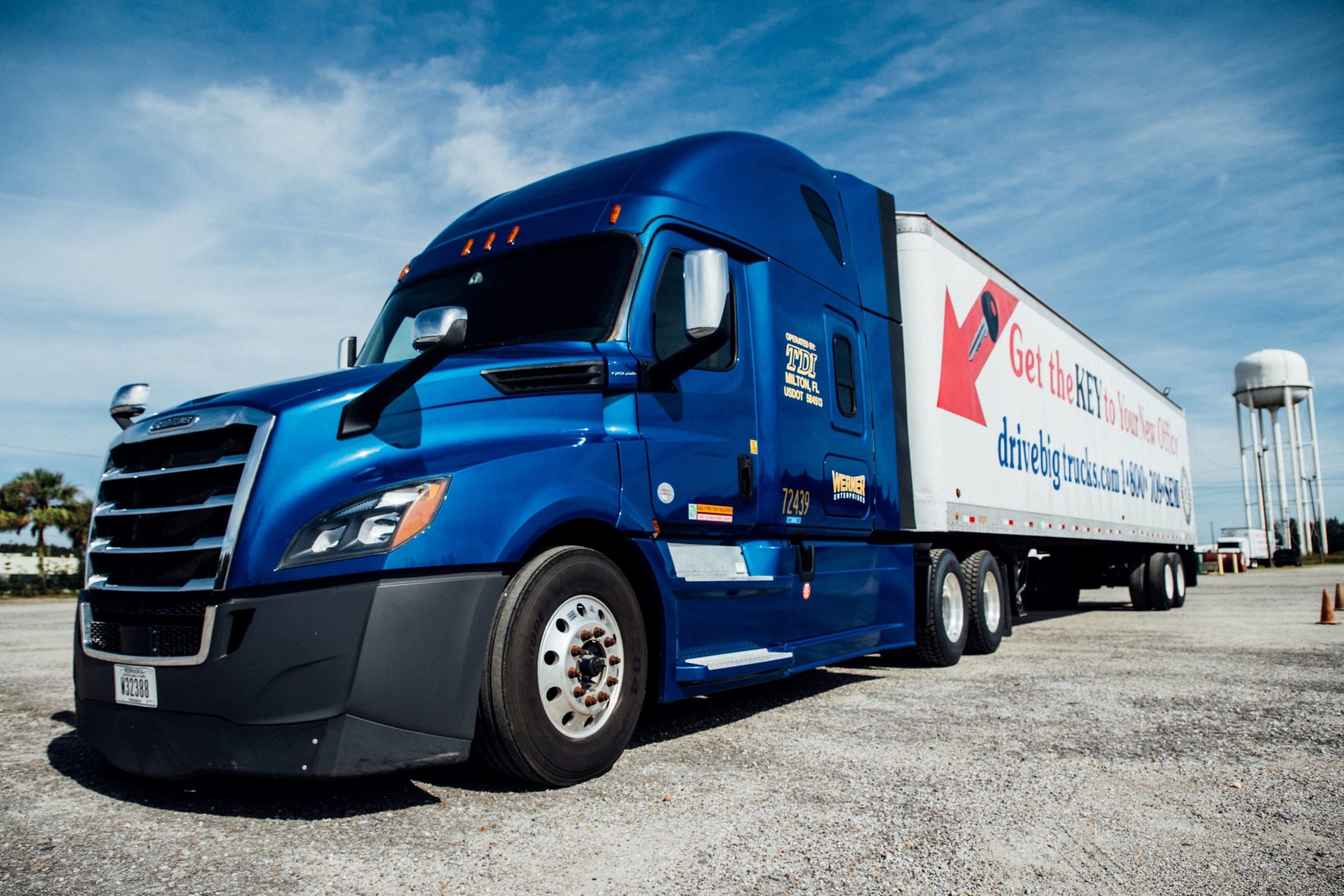
  • Drive recently manufactured trucks: Some truck driving schools teach their students on old trucks close to breaking down or just through simulators. At TDI, you get hands-on experience with truck models made recently so you know what to expect on the road.
  • Do on-site testing: No need to travel elsewhere and wait weeks or months to get your Class A CDL. TDI offers on-site driving examinations in our schools wherever state law allows it.
  • Learn automatic or manual transmission: Most commercial vehicles today use automatic transmission, but there are still some that require manual transmission. TDI prepares our students to use either type of transmission—it’s your choice! If you choose to train on automatic transmission, we also offer a one-week upgrade program that gives you the opportunity to do additional training on a manual transmission so you can increase the array of trucking jobs that you’re eligible for.
  • Finish your classes in just 3 weeks: Some truck driving schools take months to complete because they only offer classes at night or on the weekends. By contrast, we offer a 15-day training school so that you can hit the road more quickly (and safely).
  • Get help with job placement: TDI offers our graduates assistance with job placement for their whole lives. While some truck driving schools might help you find a job right after you graduate, we’re with you for the long haul.

Your next career adventure awaits. Contact TDI online today or call us at (800) 848-7364 to learn more about how you can fulfill your Class A CDL requirements and hit the open road.

*For Post 9/11 GI Bill® (Ch 33) students and VA Vocational Rehabilitation and Employment (Ch 31) students, our tuition policy complies with 38 USC 3679(e) which means Post 9/11 and Vocational Rehabilitation and Employment students will not be charged or otherwise penalized due to a delay in VA tuition and fee payments.  For eligibility consideration, a Post 9/11 GI Bill® student must submit a VA Certificate of Eligibility (COE) and a Vocational Rehabilitation Student must provide a VAF 28-1905 form. Students must provide school with a Certificate of Eligibility (COE) prior to beginning class, but not later than the first day of training. A print screen of Statement of Benefits page will be accepted in lieu of COE and verification of benefits will be required.  Please see 38 USC 3679(e) for complete details. GI Bill® is a registered trademark of the U.S. Department of Veterans Affairs (VA). More information about education benefits offered by VA is available at the official U.S. government website at www.benefits.va.gov/gibill