The Difference Between Interstate and Intrastate CDL: What You Really Need to Know
Thinking about getting your CDL? As you imagine your life out on the open road, one of your first questions is likely to be the difference between interstate and intrastate CDL licenses, job opportunities, and careers. You’re right to think that deciding between interstate versus intrastate matters—it determines where you can work, what you’ll earn, and how far your career can go.
At Truck Driver Institute, we’ve been helping people get their Class A CDLs since 1973. We know the trucking industry inside and out, and we want you to have all the facts before you make this important choice. So let’s cut through the confusion and talk straight about what interstate and intrastate driving really mean for your future.
What’s an Interstate CDL?
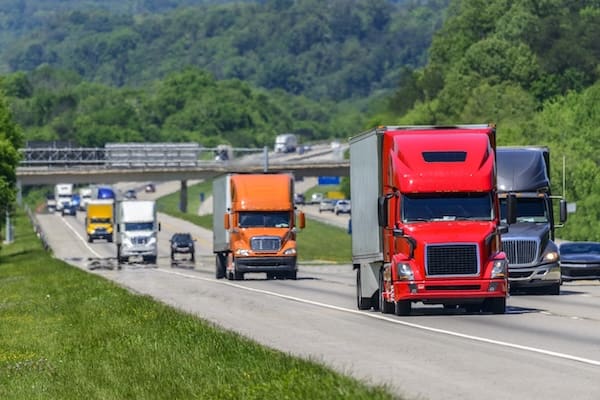
An interstate CDL allows a commercial driver to operate a commercial motor vehicle across state lines. In other words, it means you can drive trucks across state lines.
This means you can:
- Drive from one state to another
- Transport freight that starts off in one state and gets delivered to another
- Travel through other states in the course of your work, even when your pickup and delivery are ultimately in the same state
Most long-haul and over-the-road (OTR) trucking jobs require an interstate CDL to get the job done. Drivers with this type of CDL must follow federal Department of Transportation (DOT) requirements.
Key Interstate CDL Requirements:
- Must be 21 years or older
- Must meet federal DOT medical standards
- Subject to federal Hours of Service (HOS) regulations
- Eligible for nationwide driving opportunities
What’s an Intrastate CDL?
An intrastate CDL restricts a driver to operating only within one state. You can’t cross state lines or handle freight that has originated outside your state or will get delivered outside your state.
Everyone with a CDL has to follow certain federal FMCSA rules. But if you’re only working in a single state, there may be some state-by-state regulations (like age requirements or hours of service) that are less strict. For many entry-level and local delivery jobs, intrastate works great—especially if you prefer being home every night.
Key Intrastate CDL Characteristics:
- Driving is limited to just one state
- Age requirements and operational rules may be less strict than federal standards, depending on the state
- Typically used for local or regional driving jobs
The Difference Between Interstate and Intrastate CDLs
Here’s a quick reference to understand the difference between an interstate and intrastate CDL:
| Feature | Interstate CDL | Intrastate CDL |
| Driving Area | Across state lines | Within one state only |
| Minimum Age | 21 | Varies by state |
| Regulations | Federal DOT | State-specific |
| Job Flexibility | High | Limited |
| Common Jobs | Long-haul and regional driving | Local delivery, specific regional routes, and construction |
The biggest difference comes down to mobility and opportunity. Interstate CDLs offer way more flexibility and access to higher-paying trucking jobs. Most professional drivers start with interstate eligibility because it opens more doors and offers better long-term earning potential.
How FMCSA Classifies Your Commercial Driving
The Federal Motor Carrier Safety Administration (FMCSA) requires CDL holders to self-certify how they expect to operate—interstate or intrastate. You’ll actually choose from four categories when you receive or renew your CDL:
- Non-Excepted Interstate
- Excepted Interstate
- Non-Excepted Intrastate
- Excepted Intrastate
Not sure how to answer? It starts with one question: Will you operate your commercial motor vehicle across state lines or haul freight that does?
If yes, you should certify as interstate. If no, you can select intrastate.
The “excepted” vs. “non-excepted” part refers to whether you need to meet medical certification requirements. Most truck drivers fall under non-excepted interstate, which means you need to pass a DOT physical exam.
Some excepted operations that might exempt you from certain medical requirements include:
- Driving a school bus to and from school
- Government work
- Custom harvesting or seasonal bee hauling
- Emergency response in specific situations
If you do both types of driving, you’ll need to choose interstate, because federal standards apply.
Which CDL Is Right for You?
Choosing between an interstate and intrastate CDL depends on your goals:
- If you want maximum job options, higher earning potential, and long-term career flexibility, an interstate CDL is usually the best choice.
- If you’re only interested in local driving within one state, an intrastate CDL can work (as a permanent or only a temporary option).
Many drivers who start with intrastate driving later upgrade to interstate as their careers grows.
The Process: Getting an Interstate vs. Intrastate CDL
Whether you’re training with TDI or planning your next career step, here’s how the process works:
Step 1 — Choose Your CDL Class
Start by applying for the appropriate CDL class (A, B, or C) based on what you want to drive. Most truck drivers aiming for long-haul work choose Class A CDL. It’s what we at TDI recommend because it allows you to do all the same jobs a Class B or Class C allows, plus others that those CDL licenses can’t do, giving you the most job opportunities.
- Class A CDL: Drive a wide range of commercial vehicles, including tractor-trailers (semi-trucks)
- Class B CDL: Ideal for straight trucks and buses
- Class C CDL: Covers smaller specialty vehicles
Step 2 — Meet Basic Requirements
For an interstate CDL:
- Be at least 21 years old
- Pass a DOT medical exam
- Complete CDL training and pass your CDL exam
For an intrastate CDL, you may not have to meet as many requirements, depending on which state you’re operating in. Check your state’s DMV for more information.
Step 3 — Self-Certification
Once your CDL is issued, you’ll self-certify with your State Driver Licensing Agency (SDLA) whether you expect to operate interstate or intrastate. This determines which rules apply to your medical certification and how your CDL is flagged.
Why Truck Driver Institute Trains for Interstate CDL
At Truck Driver Institute, our programs prepare students for interstate CDL careers. We focus on:
- Meeting federal CDL standards
- Preparing students for real-world trucking jobs
- Helping graduates qualify for nationwide employment opportunities
By training for an interstate CDL, our students are ready for long-term success in the trucking industry, not just their first job. With our over 80% job placement rate and partnerships with multiple carriers, you’ll have options.
FAQ: Common Questions About Interstate and Intrastate CDL
Can a CDL be transferred from one state to another?
Yes. Your CDL is issued by your state, but you can transfer it when you move by updating your license through the new state’s DMV. You’ll be able to update your self-certification status at that time.
How do I switch from an intrastate CDL to an interstate CDL?
If you originally certified as intrastate but want to drive across state lines, just take the following steps:
- Notify your State Driver Licensing Agency
- Provide any required medical documentation
- Update your self-certification to interstate
Your CDL doesn’t change class—you’re just updating how you expect to operate under FMCSA guidelines.
Does an interstate CDL cover intrastate work?
Yes. If you’re certified for interstate operation, you can absolutely do intrastate driving too. Interstate certification is broader and includes the ability to operate within a single state.
Do I need a DOT medical card for intrastate work?
That depends on your state and whether you fall into “excepted” intrastate categories. Most non-excepted intrastate drivers will have medical certification requirements similar to interstate drivers.
Take the Next Step with TDI for an Interstate or Intrastate CDL
Choosing between an interstate or intrastate CDL helps shape your trucking career. At Truck Driver Institute, we help students understand these choices, get quality CDL training, and prepare for real job opportunities—whether you want to cross state lines or become a valued local driver.
Ready to get started? Call us at (800) 848-7364 or fill out our quick contact form. In just 3 weeks, you’ll have your Class A CDL and be ready for the road ahead, whether you decide to drive interstate or intrastate.

Get Started
Get your Class A CDL in our friendly, supportive CDL training program. TRAIN with experienced instructors – multiple good-paying, secure job choices with benefits available for eligible graduates. EARN $700 – $1000+ / week to start as a truck driver. Get started today by filling out the form below. We look forward to hearing from you!